Hammam vs sauna comes down to one question: what kind of heat do you enjoy? A Turkish hammam is 40–50 °C with very high humidity, marble and warm stone. A Finnish sauna is 70–100 °C with dry heat in a timber room. A steam room is close to a hammam but simpler — a tiled room with a steam generator. Often the best answer is to combine them in one place, such as a cottage sauna or an outdoor spa complex.
Three formats, three experiences
Turkish hammam
A hammam is built around gentle, moist heat. The temperature is usually 40–50 °C with humidity close to 100%. At the centre is a heated marble platform, the göbek taşı (“navel stone”), where you lie to warm up and receive a foam massage and a kese scrub. Along the walls are kurnas, marble basins where hot and cold water are mixed and poured over the body. A hammam is about long, unhurried relaxation.
Finnish sauna
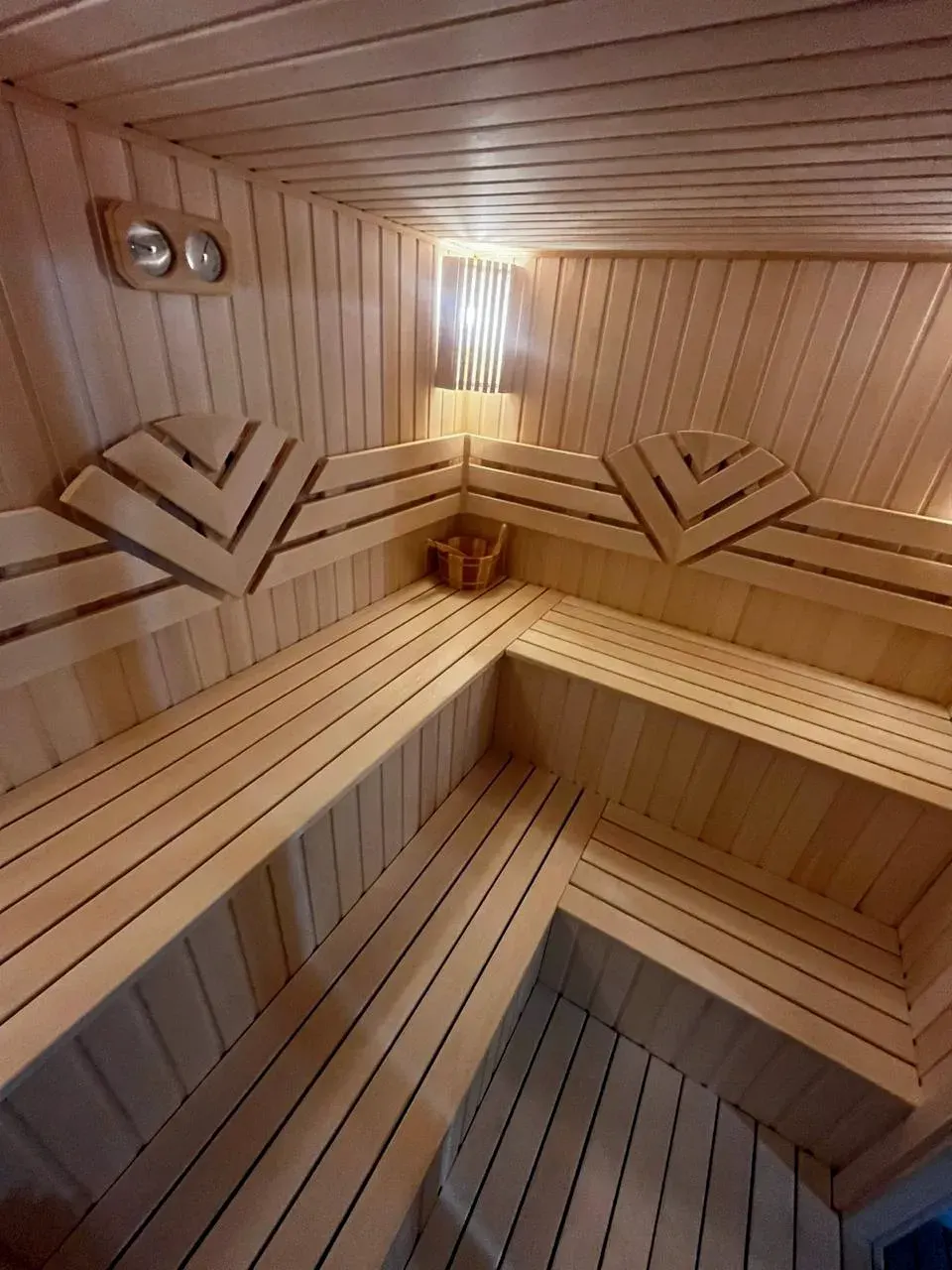
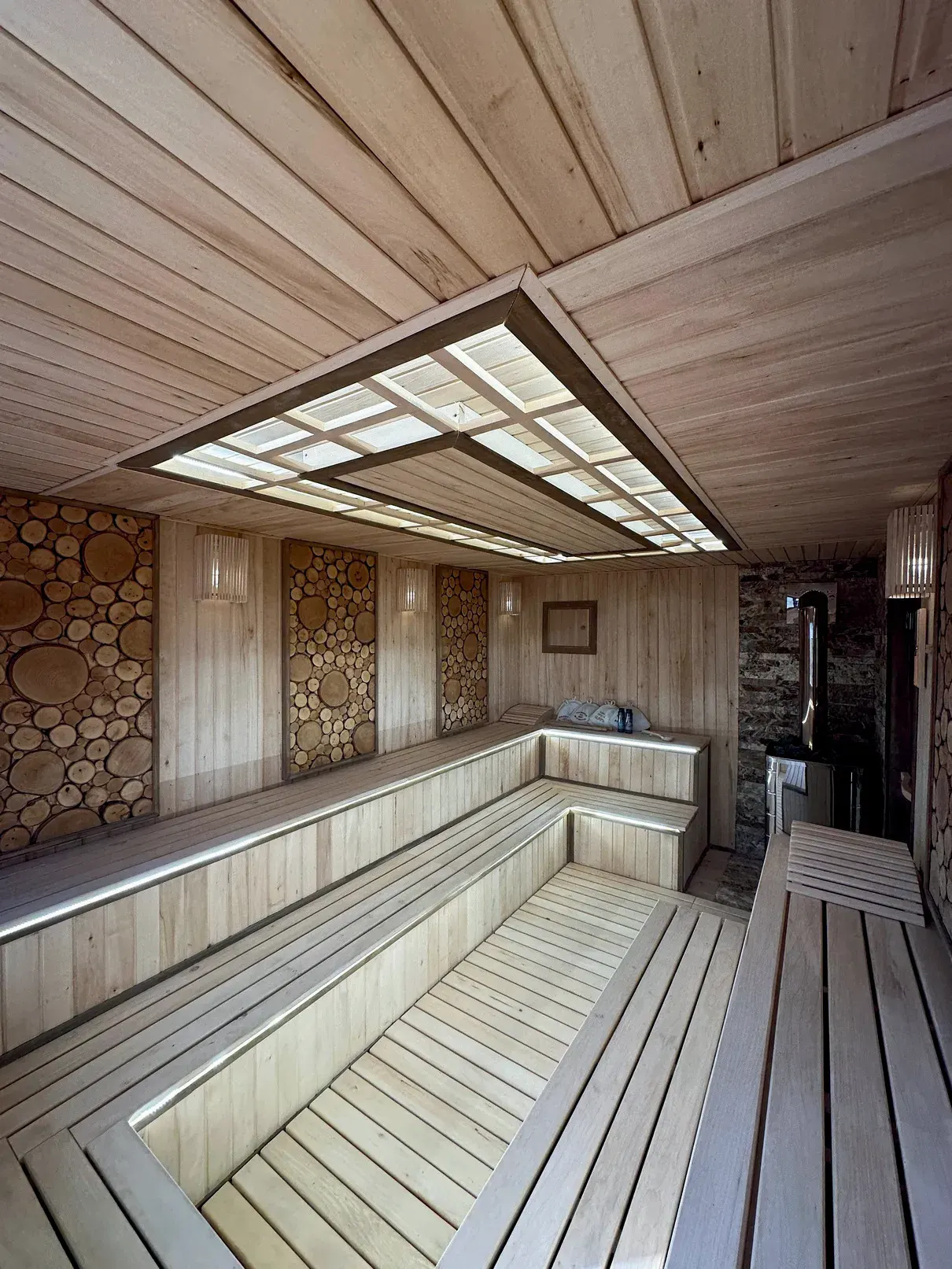
A Finnish sauna is dry, intense heat: 70–100 °C with low humidity, usually 10–20%, rising briefly when water is thrown on the stones. The room is entirely wood — linden, abachi or cedar — with an electric or wood burning stove. Sessions are short (8–15 minutes) with cool-down breaks between them.
Steam room
A steam room is essentially a simplified hammam: 40–50 °C and around 100% humidity. Steam comes from a separate steam generator, the walls are finished in tile, mosaic or stone, and benches are often heated. It can be built without the navel stone and basins, so it takes up less space.
Comparison table
| Parameter | Turkish hammam | Finnish sauna | Steam room |
|---|---|---|---|
| Temperature | 40–50 °C | 70–100 °C | 40–50 °C |
| Humidity | ~100% | 10–20% (rises with löyly) | ~100% |
| Heat source | Heated platform, walls and floor, plus steam | Electric or wood stove with stones | Steam generator |
| Interior finish | Marble, stone, ceramics | Wood (linden, abachi, cedar) | Tile, mosaic, stone |
| Session | Long and calm (30+ minutes) | Short rounds + cool-down | Medium |
| Feel | Soft, moist, relaxing | Strong, dry, invigorating | Soft, moist |
What matters when building a hammam
Hammams and steam rooms are technically more demanding than saunas because they run at near-100% humidity all the time.
- Waterproofing and vapour barrier. Walls, floor and ceiling must stop water and steam completely, or moisture gets into the structure.
- Ceiling shape. A dome or sloped ceiling stops condensation dripping on bathers — water runs down the walls instead.
- Heating. The platform, benches and floor are warmed by a hydronic or electric system, while a generator supplies steam.
- Drainage. The floor slopes towards a drain.
- Ventilation. The room has to dry out quickly after use.
- Wet-rated lighting and electrics. Equipment designed for wet rooms only.
A sauna’s main challenge is different: thermal insulation. Barrel Sauna’s wall system — mineral stone wool plus a special moisture-proof membrane — keeps steam out of the timber frame and helps the sauna heat up faster.
Which one is right for you?
- You love strong heat and want to feel energised — Finnish sauna.
- Gentle warmth, long relaxation, massage — Turkish hammam.
- Limited space, simpler build, moist steam — steam room.
- Different tastes in the family — a combined solution.
If you have a heart condition, blood pressure issues, are pregnant or have other health concerns, talk to your doctor before using any heat therapy.
Combining a sauna and a hammam
The most popular approach isn’t to build a hammam on its own, but to make it part of one relaxation space.
Cottage sauna
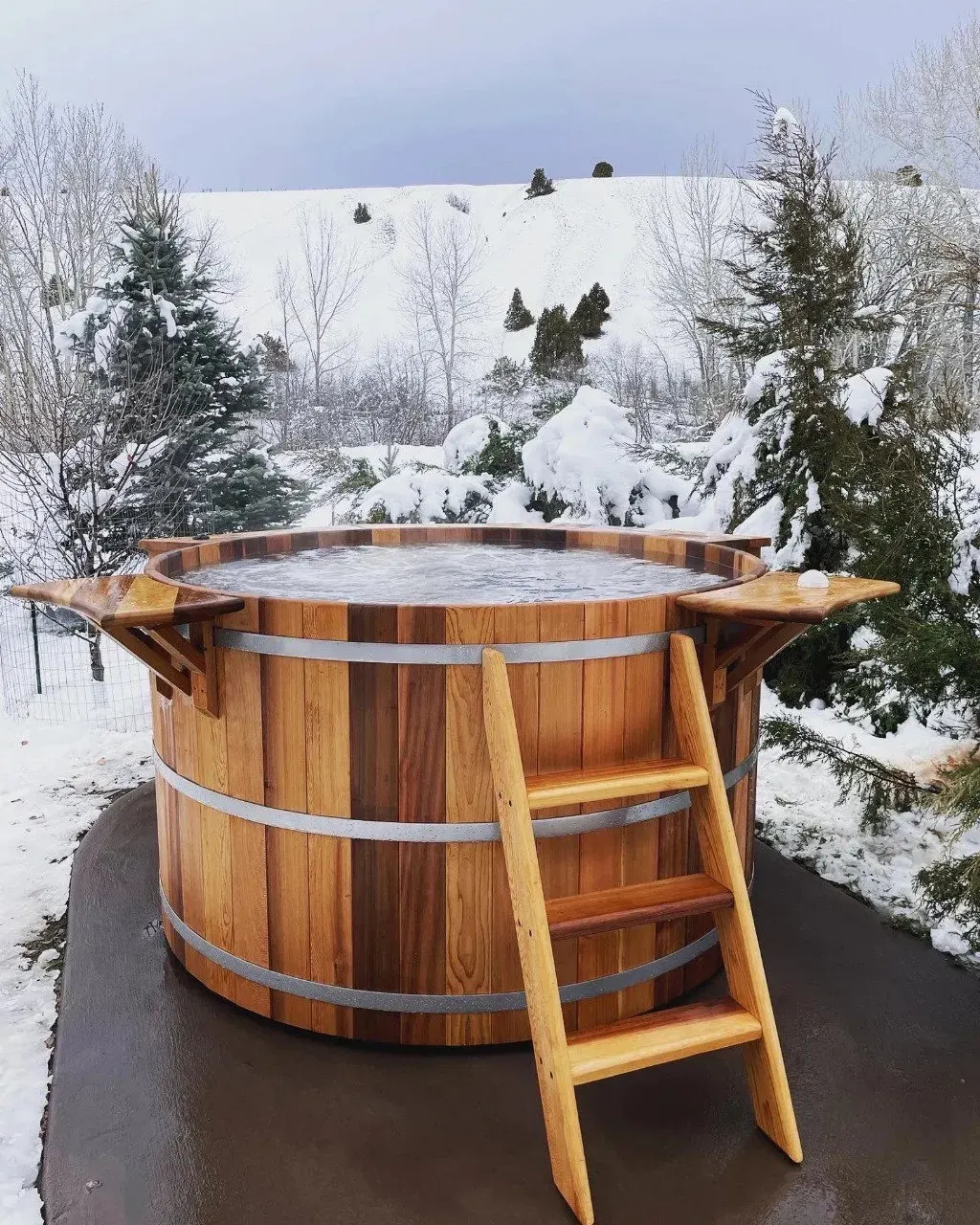
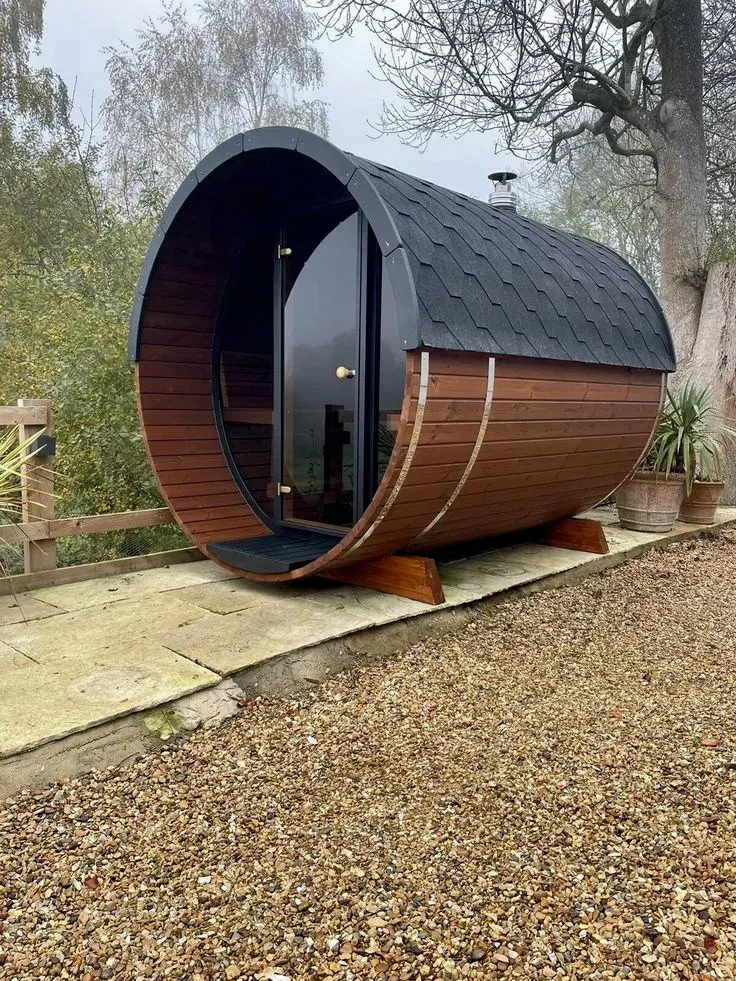
A cottage sauna is a house-shaped outdoor building that can combine a sauna room, steam room, salt room, Turkish hammam, a venik (whisking) room, massage room, hot/cold tub or pool, bathroom/WC and a lounge. It holds 4–20 people, with an approximate price of 10,000–50,000 AZN depending on the rooms and size. You can see our İsmayıllı cottage and other work on the projects page.
Outdoor spa complex
An outdoor spa complex is the idea of a “5-star hotel level private spa in your yard”. The same set of rooms — sauna, hammam, steam room, pool or hot tub and a lounge — comes together in a single project. It holds 4–15 people, with an approximate price of 15,000–45,000 AZN. We built one in Qəbələ.
Typical combinations
| Scenario | What’s included |
|---|---|
| Family use | Finnish sauna + steam room + shower + lounge |
| Classic “bath day” | Turkish hammam + massage room + cold plunge |
| Hosting guests | Sauna + hammam + pool/hot tub + large lounge |
How the project comes together
- Wishes and budget. How many people, which rooms, how much space in the yard.
- Layout. A logical flow: changing room → shower → hot rooms → cool-down → rest.
- Engineering. Water, drainage, electrics, ventilation, and the choice of steam generator and stove.
- Construction and fit-out. Multilayer insulation, waterproofing, finishes and equipment.
Read more about the process on our sauna construction page.
FAQ
What’s the main difference between a hammam and a sauna?
Temperature and humidity. A hammam runs at 40–50 °C with very high humidity; a sauna at 70–100 °C with dry heat. Materials differ too: a hammam uses marble and stone, a sauna uses wood.
Can a steam room replace a hammam?
They feel similar — both give soft, moist heat. But the classic hammam ritual needs a heated navel stone and basins, which steam rooms usually don’t have.
Can a sauna and a hammam share one building?
Yes. That’s exactly what cottage saunas and outdoor spa complexes are for: sauna, hammam, steam room and lounge in one project.
What materials are used to build a hammam?
Marble, natural stone, ceramics and mosaic, over waterproofing and a vapour barrier. Wood is rarely used inside a hammam because of the constant humidity.
How much does a cottage sauna cost?
Approximately 10,000–50,000 AZN. The price depends on the number of rooms, size, materials and equipment.
Let’s plan your sauna and hammam
Tell us which rooms you’d like and how much space you have. We’ll prepare a layout combining sauna, hammam and steam room, with a preliminary estimate. Message us on WhatsApp for a free consultation and project.